Focus Groups
Tackling Body Shaming in the Online World
Lisbon, Portugal
26-27.02.2025
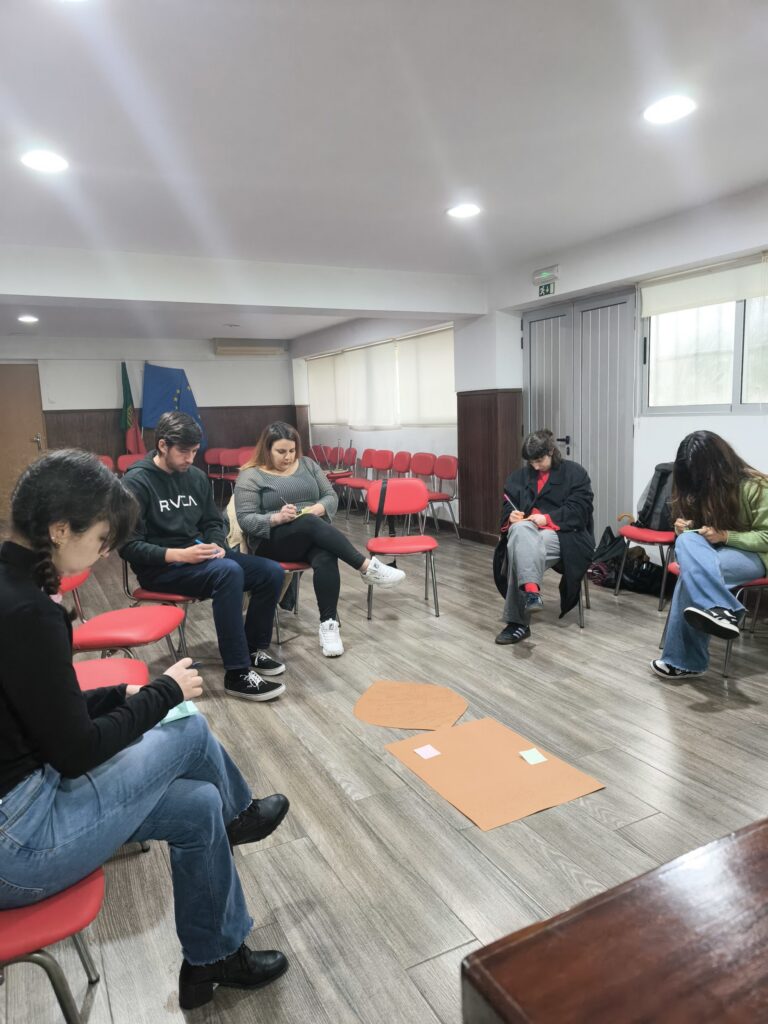
On February 27th and 28th, 2025, in the heart of Lisbon, the Elephant Talk project brought together two dynamic focus groups to dive deep into the ever more concerning issue of body shaming, its impact and to explore ways to contain it in the online spaces.
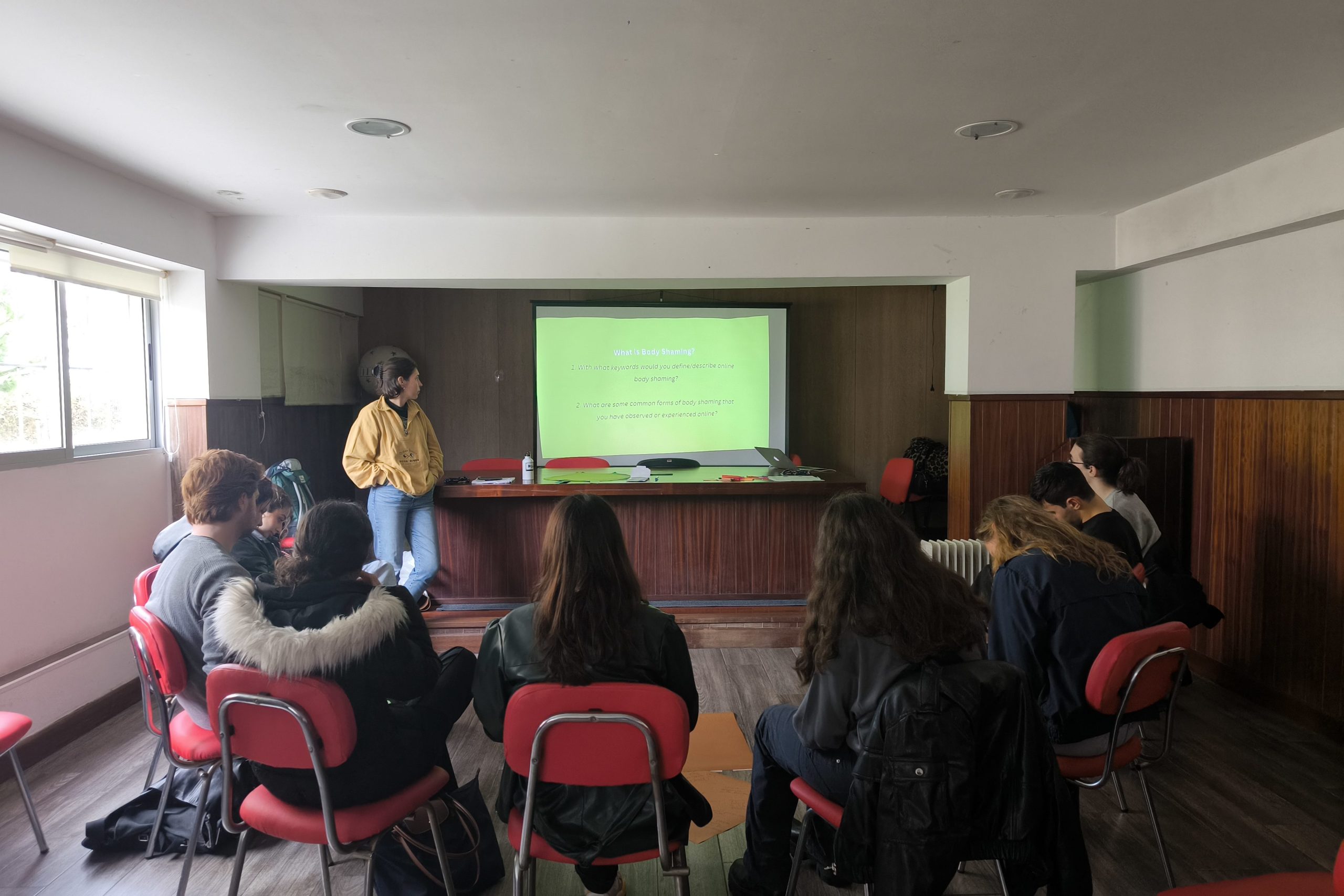
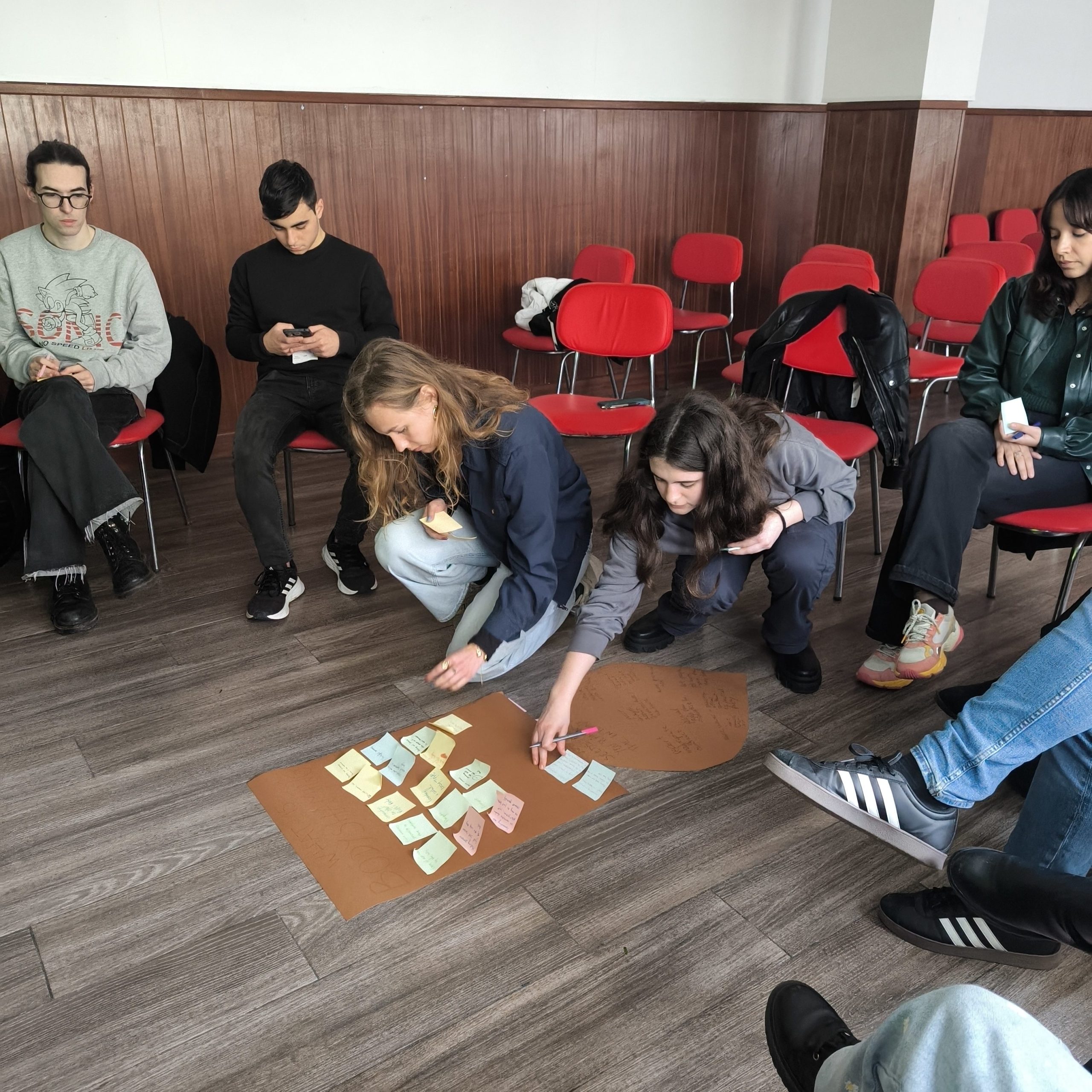
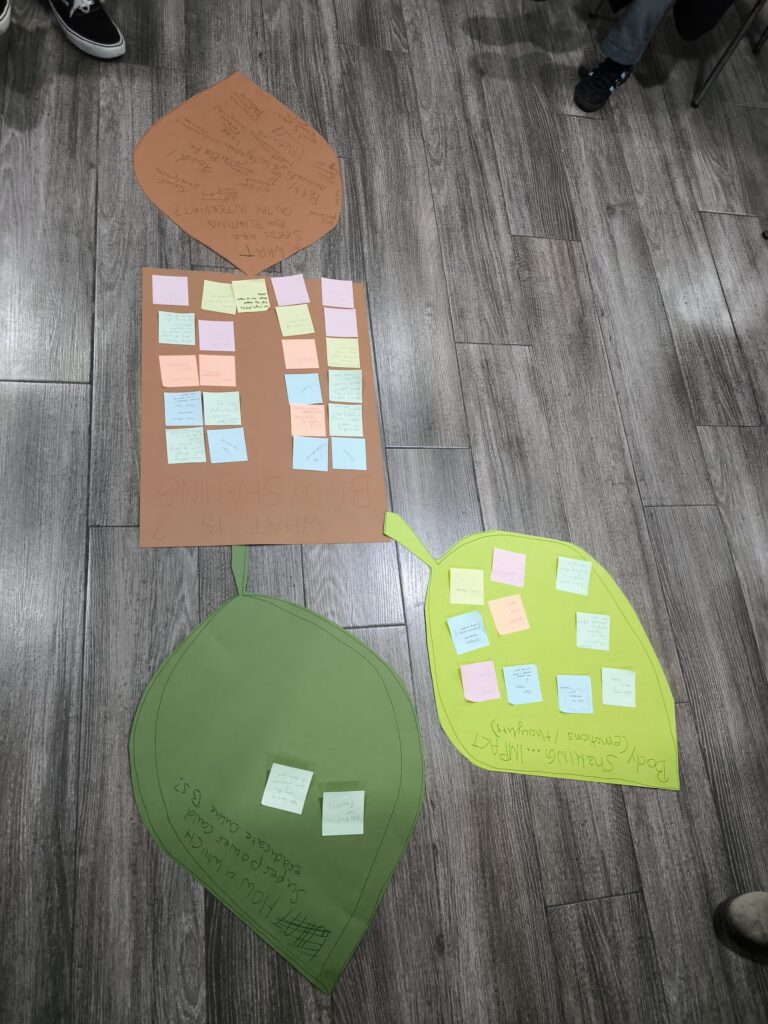
These sessions gathered individuals from diverse backgrounds, all eager to share their experiences, perspectives, and ideas. Through open discussions and interactive exercises, participants unpacked the core meaning of body shaming, examining how it manifests on social media, in digital conversations, and within online communities. More importantly, they worked together to identify strategies for creating safer, more inclusive digital environments where respect must be the fundamental value.
The work of the two groups brought meaningful insights and actionable solutions. From empowering digital literacy to fostering online-presence education, the groups outlined key steps toward a healthier online culture.
These focus groups were a powerful step in the ongoing mission to combat harmful narratives and promote body positivity in the digital world.
Participatory Events
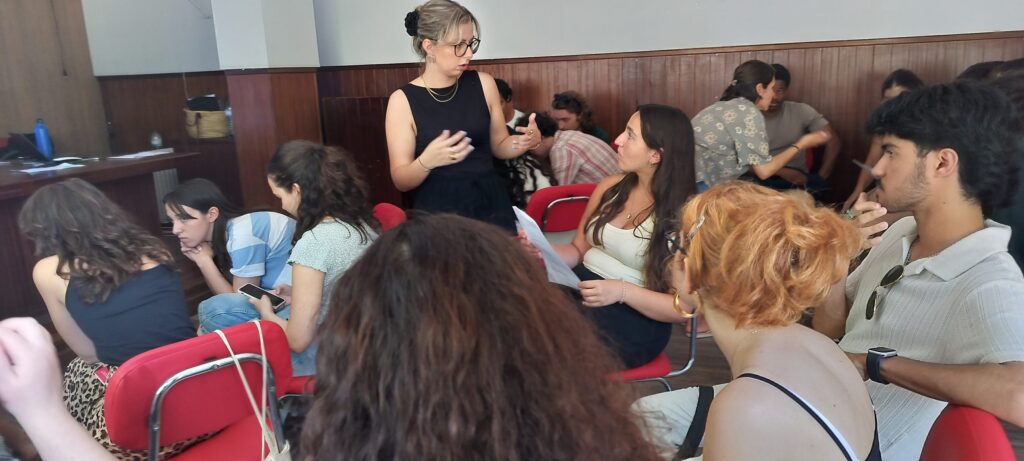
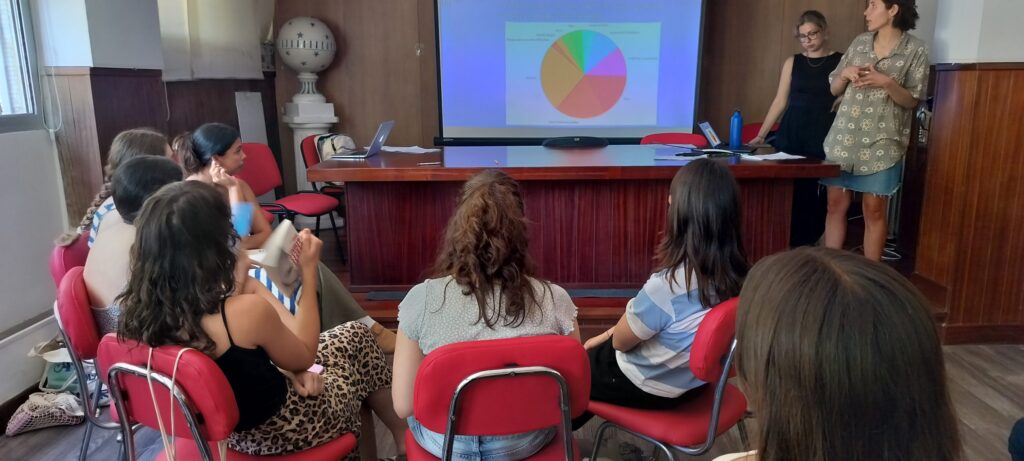
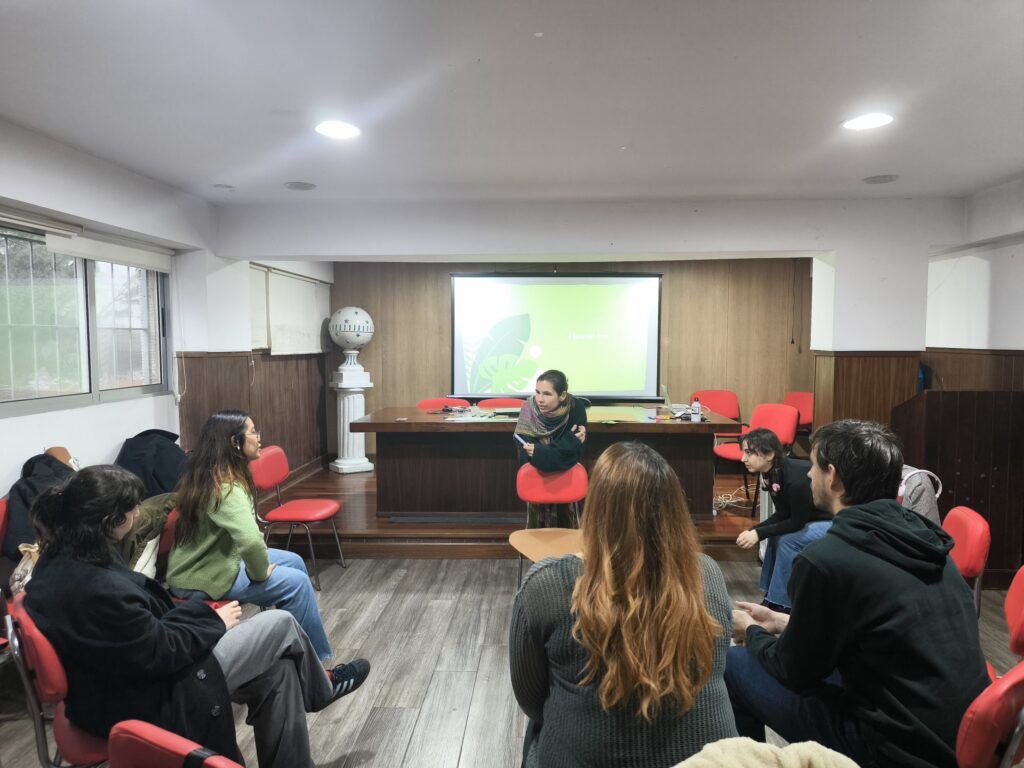
To shed light on the issue of hate speech and online body shaming, YoungEducators brought together young people, civil society members, and organisations working in the area of gender-based violence. The goal was to create a space for exchange, learning, and action.
During an afternoon workshop, we explored how data can be used as a tool for activism. Step by step, the participants engaged in how to identify key topics related to gender-based violence, ask meaningful research questions, and plan their own data collection and turn their insights into advocacy. Critical reflection on the processes and shared group discussions were central throughout the session.
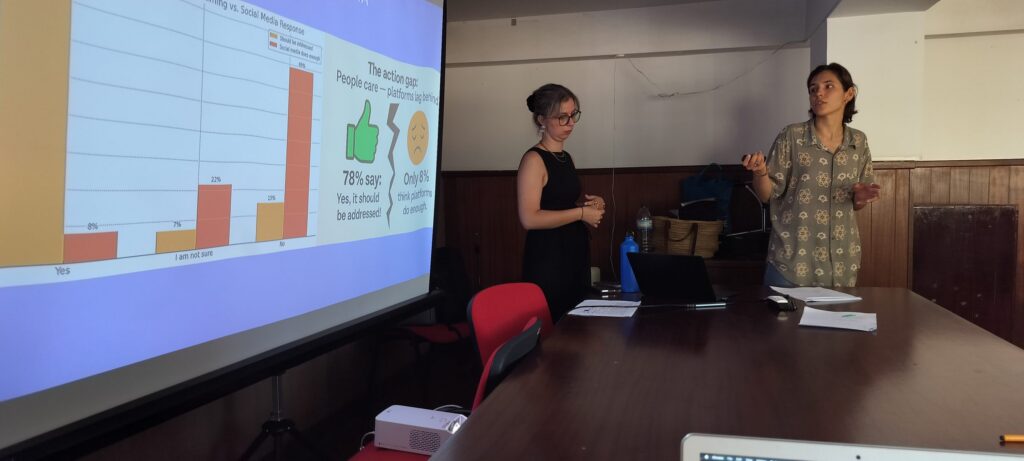
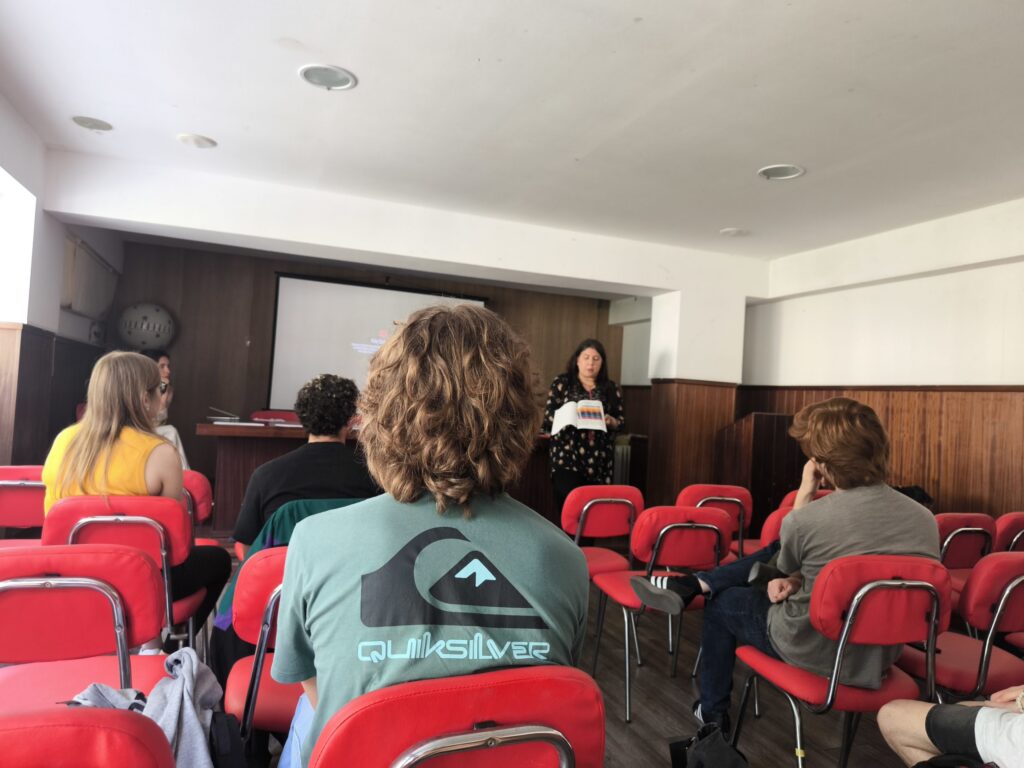
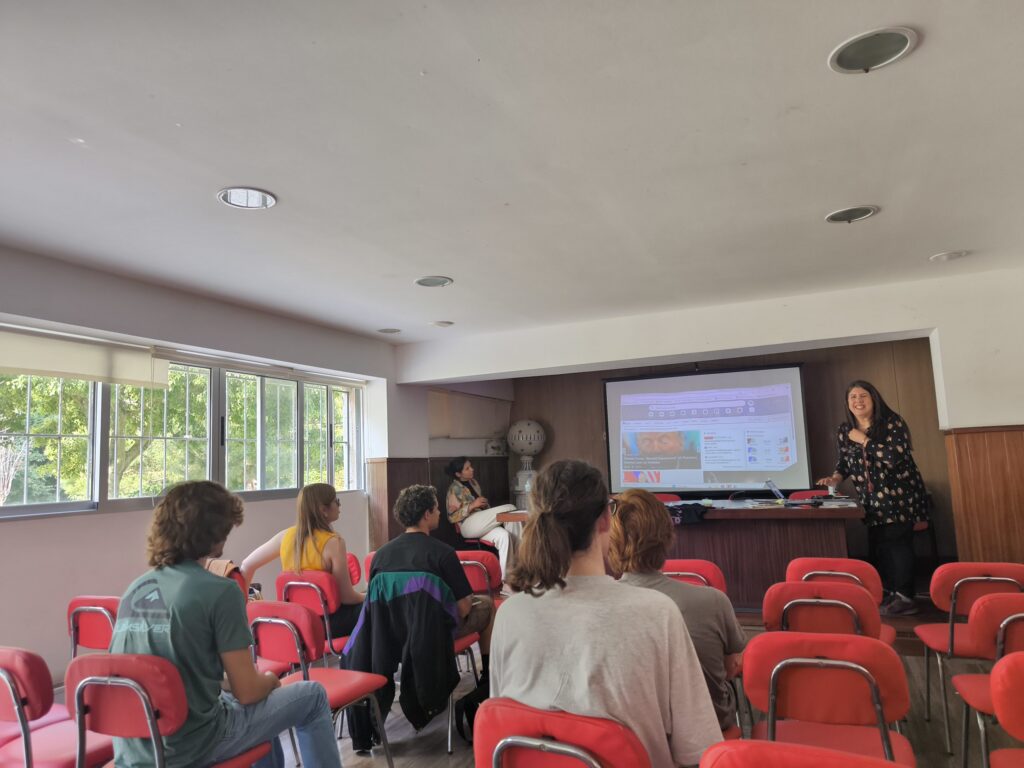
Later, YoungEdcuators hosted a public event to showcase the ElephantTalk project and share findings from the data gathered over the past months on online body shaming. Alongside survey results, the outcomes from earlier focus groups demonstrated how data-driven approaches can strengthen activism and community engagement.
We were also joined by a guest speaker from Centro de Cultura e Intervenção Feminista (CCIF/UMAR) – an organization based in Lisbon, Portugal. Insights were shared about the impact of gender-based violence, as well as about their work with different communities in Portugal. In an open Q&A, participants had the chance to pose questions and relate “offline” experiences – such as femicides, and physical or emotional abuse – to the wider conversation about hatred and violence in digital spaces.
Stay tuned for more updates as we continue this crucial conversation!
Here you can find further information about the event: WP6-Portugal_EDS.pdf
If you are curious about what the other countries did, you can the details here: WP3-Italy_EDS.pdf , WP4-Greece_EDS.pdf , WP5-Romania_EDS.pdf